
Bhopal / New Delhi, October 30, 2025: The Government e-Marketplace (GeM) and the Government of Madhya Pradesh have taken new steps to strengthen the State’s adoption of the GeM platform, reinforcing efforts toward transparent, inclusive, and technology-driven public procurement.
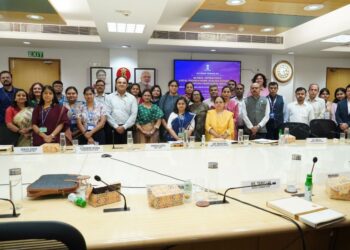
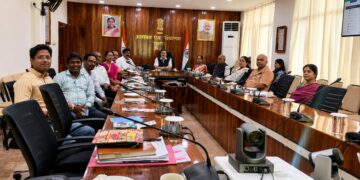
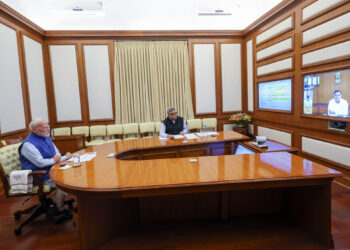
During a meeting in Bhopal, GeM CEO Shri Mihir Kumar met with Madhya Pradesh Chief Secretary Shri Anurag Jain to discuss strategies for deeper integration and efficient utilization of the GeM platform across all State departments and agencies.
The discussions reaffirmed GeM’s mission of providing a unified and efficient online procurement system for all government entities—including Central and State Ministries, Departments, PSUs, Autonomous Bodies, Local Institutions, and Panchayati Raj entities. Both sides emphasized the importance of streamlining procurement frameworks to strengthen transparency, inclusivity, and accountability in public spending.
As part of its broader national initiative, GeM has been conducting focused engagements with high-GMV States to encourage policy alignment and enhanced participation. Union Minister of Commerce and Industry Shri Piyush Goyal has also urged Chief Ministers to align State procurement guidelines with the General Financial Rules (GFR) and GeM General Terms and Conditions (GeM-GTC).
In Madhya Pradesh, GeM’s footprint continues to expand, reflecting strong participation from Micro and Small Enterprises (MSEs). Over 86,000 sellers from the State are now registered on the platform. Since inception, MSEs from Madhya Pradesh have secured orders worth ₹5,523 crore from State buyers, ₹2,030 crore from buyers in other States, and ₹20,298 crore from Central buyers.
These figures highlight Madhya Pradesh’s growing integration into India’s national digital procurement ecosystem, and underscore GeM’s role in empowering local enterprises with access to wider government markets.
With GeM’s cumulative Gross Merchandise Value (GMV) scaling new highs, this collaboration marks a significant step towards strengthening state-level procurement ecosystems, promoting digital inclusion, and ensuring a level playing field for all vendors.
Source: Press Information Bureau (PIB)