
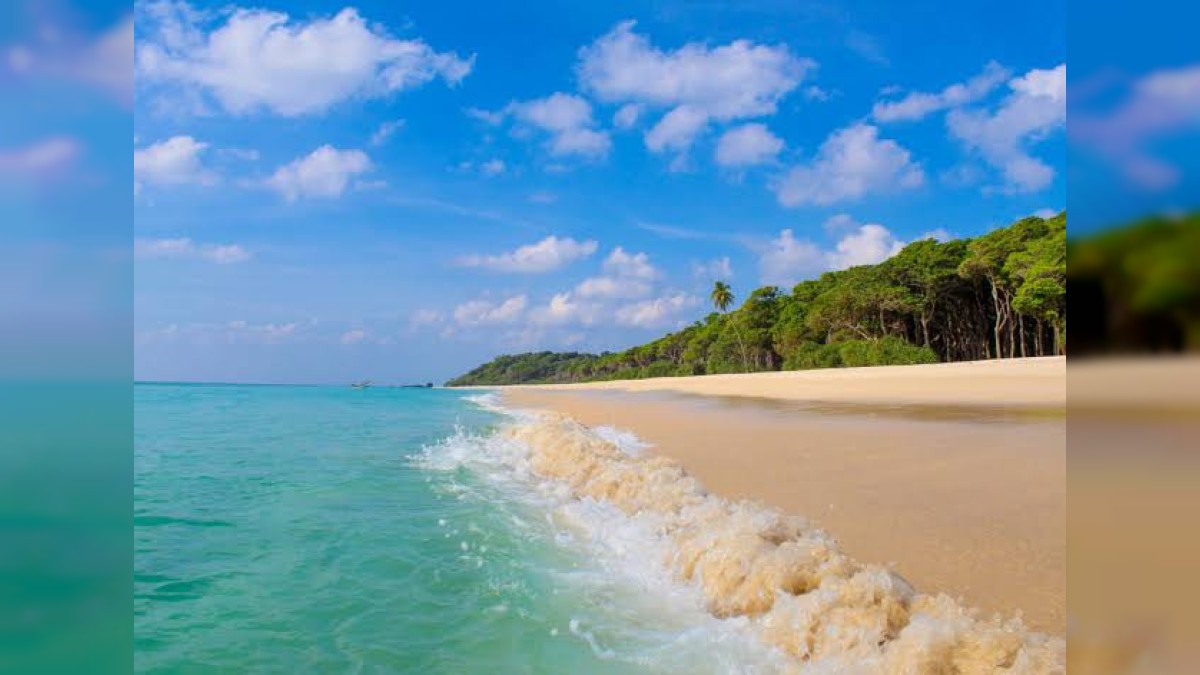
Port Blair Oct 13: The turquoise waters and pristine beaches of the Andaman & Nicobar Islands are set for a new chapter—one that promises luxury with responsibility. The UT Administration has received an encouraging response from leading hospitality developers for its ambitious high-end eco-tourism projects, designed to unlock the islands’ tourism potential while protecting their fragile ecosystems.
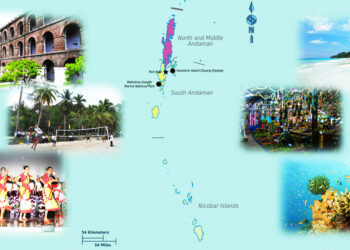
Five major ventures under the Public-Private Partnership (PPP) model — spread across Shaheed Dweep, Long Island, Smith Island, Aves Island, and the redevelopment of Megapode Resort at Port Blair (now Sri Vijaya Puram)— are at the heart of this transformation. Anchored in the Government of India’s Holistic Development of Islands (HDI) framework, these projects aim to turn the islands into a global model for sustainable, nature-led tourism.
Each project has been planned to be low-impact and self-sustaining, adhering to LEED, GRIHA, and Green Globe sustainability standards. Powered largely by solar energy and built in compliance with Coastal Regulation Zone (CRZ) norms, the designs seek to blend seamlessly into the islands’ natural contours instead of altering them.
By the bid deadline of October 6, the Administration received five bids for Shaheed Dweep, four for Megapode Resort, two for Aves Island, and one for Long Island. The projects are now under technical evaluation, with the Megapode redevelopment expected to be completed in three years and the island projects in four.
While investors see promise, conservationists urge restraint. “The Andamans are not just a tourist destination — they’re living ecosystems,” one expert cautioned, emphasizing that biodiversity must remain the foundation of all future development.
If executed with care, the initiative could bring a new wave of eco-luxury, generate local employment, and set a national benchmark for sustainable growth. But the true test for the islands lies ahead — in proving that development and conservation can walk hand in hand without disturbing the rhythm of paradise.