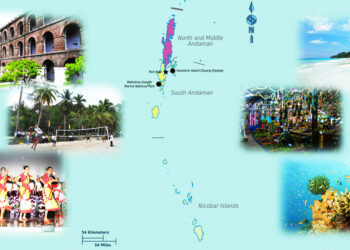

Port Blair, Oct 6: For thousands of residents in the remote Andaman and Nicobar Islands, reliable and affordable electricity still remains a distant dream. While the nation’s push for solar energy promises to transform this narrative, progress on the ground has been slow, leaving many to wonder why the Islands — surrounded by nature yet energy-starved — are still waiting to plug into the power of the sun.
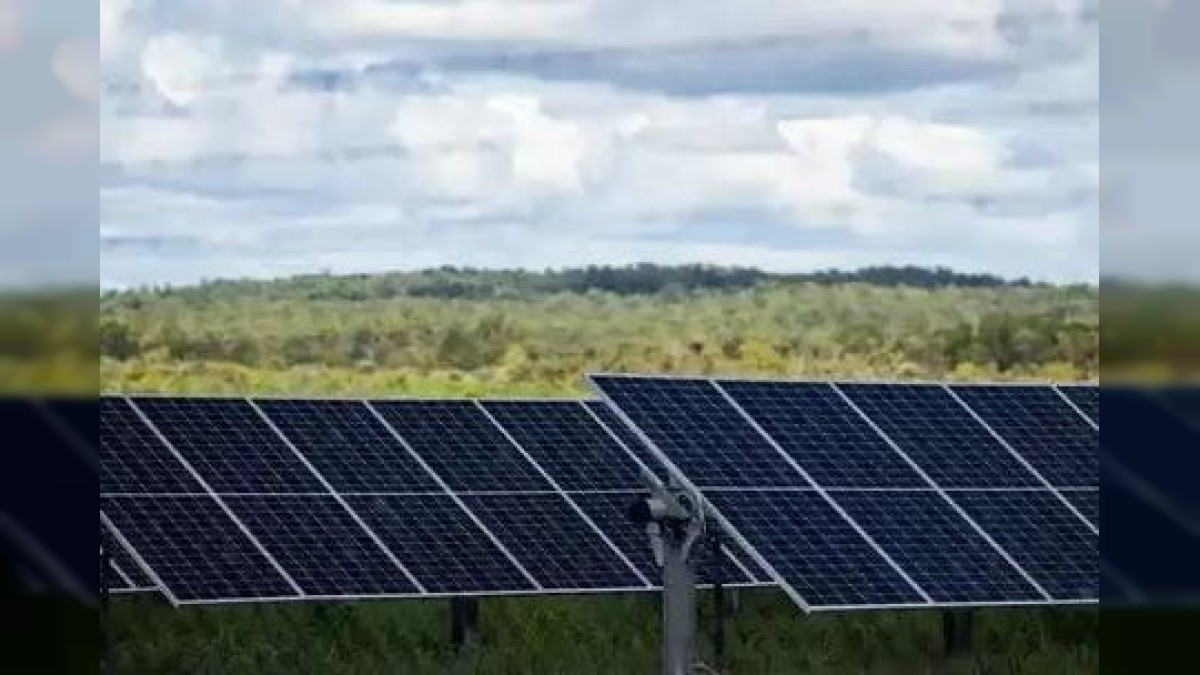
However with the goal of empowering weaker households and reducing dependence on costly diesel-generated power, the Government of India’s 30 MW Solar Rooftop Project under the Pradhan Mantri Surya Ghar: Muft Bijli Yojana (PMSG-MBY) has begun to reach the shores of South Andaman. As part of this initiative, the District Administration is set to hold a Special Beneficiary Identification Drive on October 8 and 9 at the Community Halls of Ograbraj and Mithakhari Gram Panchayats. The drive aims to register eligible residents — particularly those enrolled under PMAY, AAY and Ayushman Bharat — to bring them the benefits of subsidised rooftop solar panels that could drastically cut household electricity expenses and ensure energy self-sufficiency. However, while the initiative holds promise, many islanders — from village leaders to social activists — argue that progress has been tardy. They point out that despite the Islands’ remote location and chronic reliance on expensive diesel-based power plants, large-scale solar adoption has yet to become a reality. “We sunny days for quite good number of days in a year compared to those of the distant past, but we still burn diesel for power. Rooftop solar could change lives in our villages, yet it’s moving at a snail’s pace,” remarked a PRI representative from Mithakhari on condition of anonymity, echoing the frustration of many. Environmentalists warn that the delay is not just an economic loss but an environmental one. Diesel-fired power plants in the Islands continue to guzzle thousands of litres of fuel every day, adding to carbon emissions and making electricity costlier than on the mainland. The 30 MW Solar Rooftop Project, officials say, could ease this burden if implemented in earnest — lowering household bills, shrinking the Islands’ carbon footprint, and reducing the risks associated with transporting diesel across rough seas. Local residents are now urging authorities to speed up execution and expand the reach of green-energy schemes across remote habitations, where power cuts and fluctuating supply remain a routine challenge.